
The Role of Sponsors in Roster Building: How Commercial Interests Shape Esports Organisations
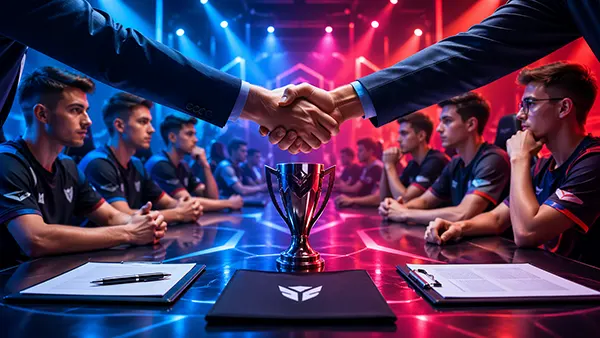
In modern esports, roster decisions are no longer driven purely by in-game performance. Commercial partnerships, brand visibility, and sponsor expectations increasingly influence how organisations build and adjust their teams. As budgets grow and competition intensifies, the relationship between sporting ambition and business strategy becomes more complex. Understanding this balance is essential for analysing how top teams operate in 2026.
Commercial Pressure and Player Selection Criteria
Esports organisations now operate within a structured business environment where sponsors contribute a significant portion of revenue. These partners often expect visibility, audience reach, and brand alignment, which directly impacts roster decisions. As a result, players are evaluated not only by skill but also by their public image, communication style, and social media presence.
For example, a mechanically strong player with limited audience engagement may be overlooked in favour of someone slightly less skilled but more marketable. This does not necessarily weaken the team, but it shifts priorities. Organisations must consider how each player contributes to long-term brand growth, especially in games with global audiences such as Counter-Strike 2, League of Legends, or Valorant.
Another factor is regional appeal. Sponsors targeting specific markets often encourage teams to include players from those regions. This can influence international roster compositions, particularly when expanding into Asia, North America, or emerging esports markets.
Balancing Performance and Brand Value
Teams that focus too heavily on commercial appeal risk weakening their competitive edge. While sponsors are essential, consistent results remain the primary driver of long-term visibility. A team that performs poorly loses relevance, regardless of marketing efforts.
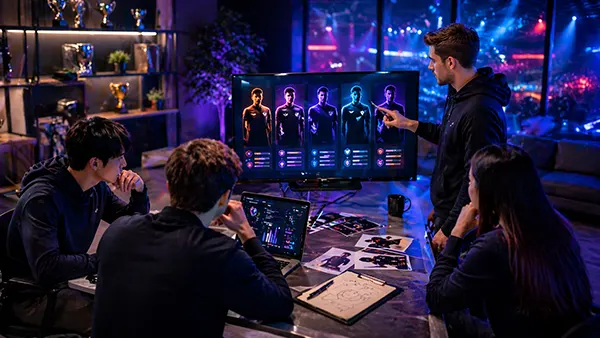
Successful organisations aim to find a balance. They recruit players who can both perform under pressure and represent the brand professionally. This dual requirement has changed scouting strategies, with analysts now assessing behavioural traits alongside gameplay data.
In 2026, this balance is often supported by dedicated departments that manage player development, media training, and public communication. These structures help players adapt to the dual role of athlete and public figure.
Sponsorship Contracts and Their Influence on Transfers
Contractual obligations with sponsors can directly affect transfer decisions. Some agreements include clauses related to brand exposure, content creation, or participation in promotional campaigns. This means that roster changes must align not only with competitive needs but also with contractual commitments.
For instance, replacing a well-known player may reduce visibility for a sponsor, especially if that player has an established fan base. Organisations must evaluate whether the competitive gain outweighs potential commercial loss. In certain cases, teams delay roster changes to fulfil existing agreements.
Additionally, player transfers themselves are influenced by sponsorship structures. High-profile players often come with personal sponsors, creating potential conflicts with team partners. Managing these relationships requires careful negotiation and legal oversight.
Impact on Transfer Windows and Timing
Timing is a critical factor in esports transfers. Sponsor campaigns, seasonal tournaments, and media schedules all play a role in determining when roster changes occur. Unlike traditional sports, esports operates on a faster cycle, making these decisions even more sensitive.
Organisations may choose to postpone transfers until after major events to maintain sponsor visibility. Conversely, they may accelerate changes to align with new partnerships or product launches. This creates a dynamic environment where sporting and commercial timelines intersect.
As highlighted in industry guidelines and analysis frameworks, decision-making processes must account for both performance metrics and external business factors, ensuring that changes are sustainable rather than reactive.
Long-Term Strategy: Building Sustainable Rosters
In recent years, leading organisations have shifted towards long-term roster planning. Instead of frequent changes, they focus on stability, player development, and consistent branding. Sponsors support this approach, as stable teams provide more predictable exposure and stronger audience connections.
Investment in academy systems and young talent has become a key strategy. These players can be developed internally, aligning both performance and brand values from the start. This reduces reliance on expensive transfers and allows organisations to maintain control over their image.
Another important aspect is cultural fit. Teams increasingly prioritise internal cohesion, recognising that communication and teamwork directly affect performance. Sponsors also benefit from a unified team identity, which strengthens marketing narratives.
The Future of Sponsor-Driven Decisions in Esports
Looking ahead, the influence of sponsors is expected to grow as esports continues to attract global investment. However, organisations are becoming more sophisticated in managing these relationships. Rather than allowing sponsors to dictate decisions, they integrate commercial considerations into broader strategic planning.
Data analytics plays a crucial role in this process. Teams now track not only performance statistics but also audience engagement, content reach, and brand impact. This data helps justify roster decisions to both internal stakeholders and external partners.
Ultimately, the most successful organisations are those that treat esports as both a competitive discipline and a business ecosystem. By aligning sporting goals with commercial realities, they create teams capable of performing consistently while maintaining strong partnerships in an increasingly competitive market.